Vinegar Eels Starter Culture – Live Food
For the safety of our animals, we ship this fish exclusively via UPS 2nd Day Air. If your order contains this item, this will be the only shipping option available at checkout.
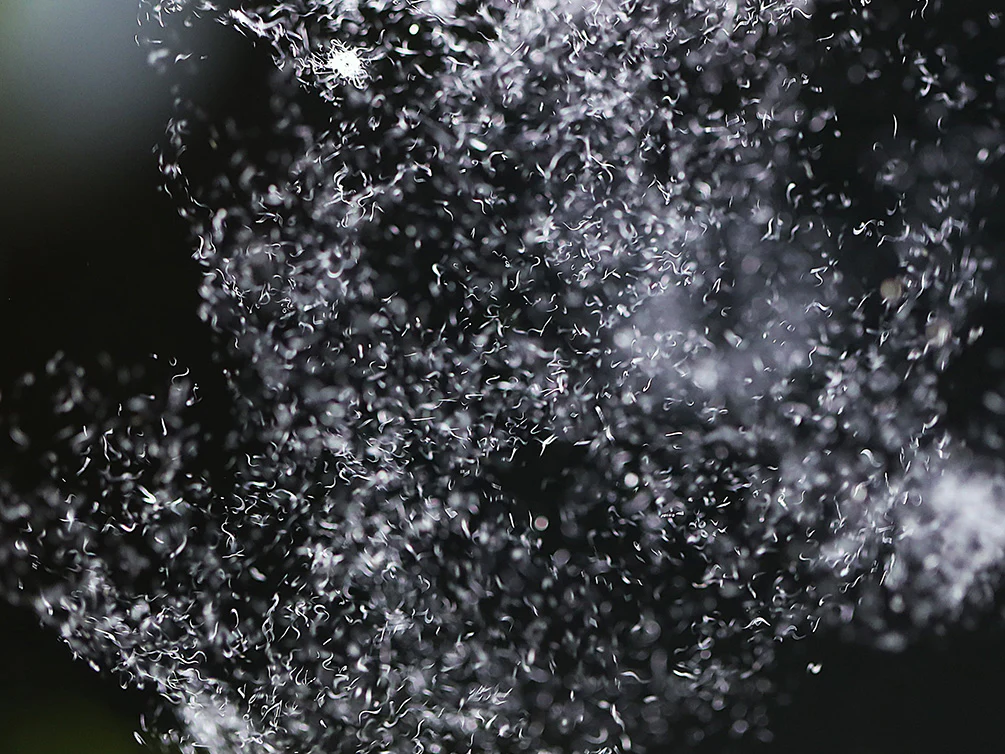
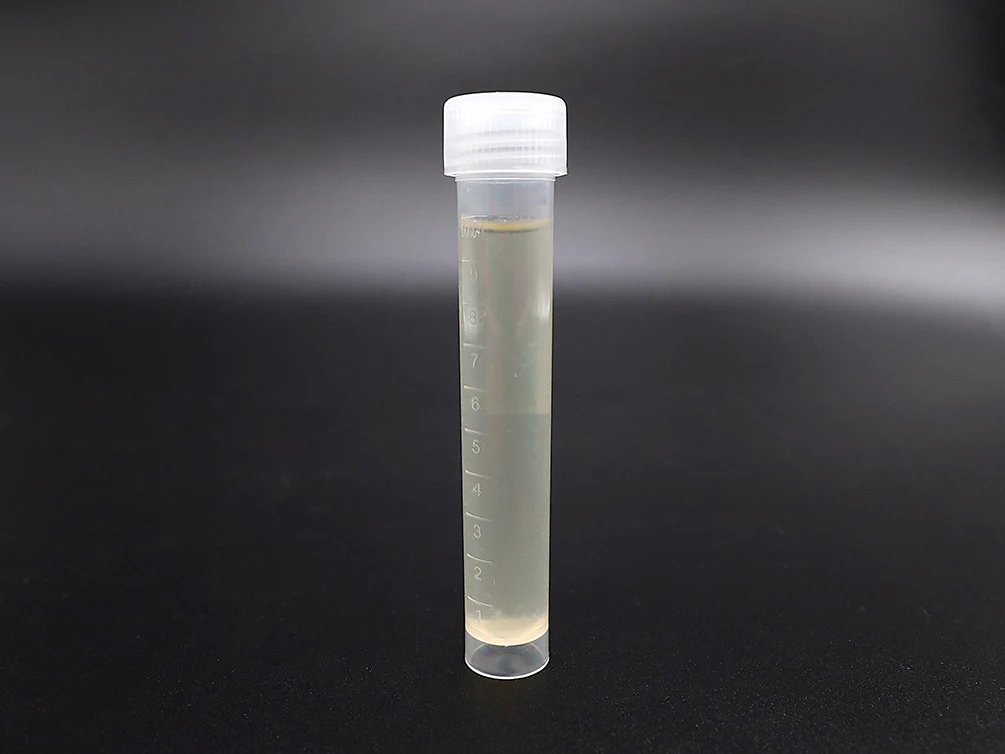
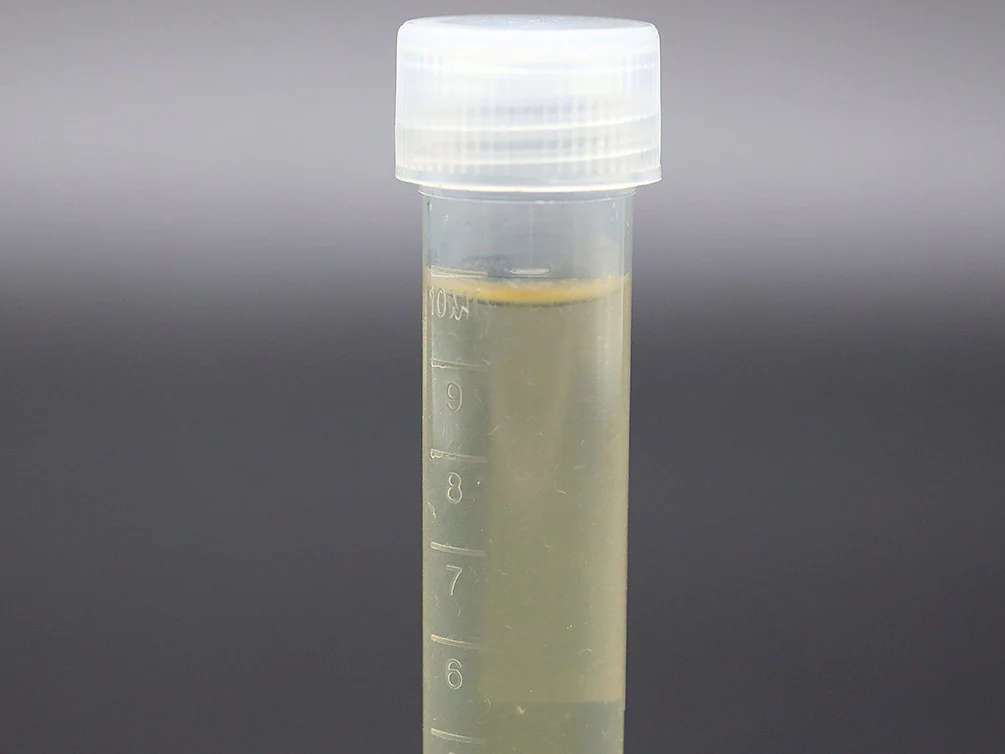
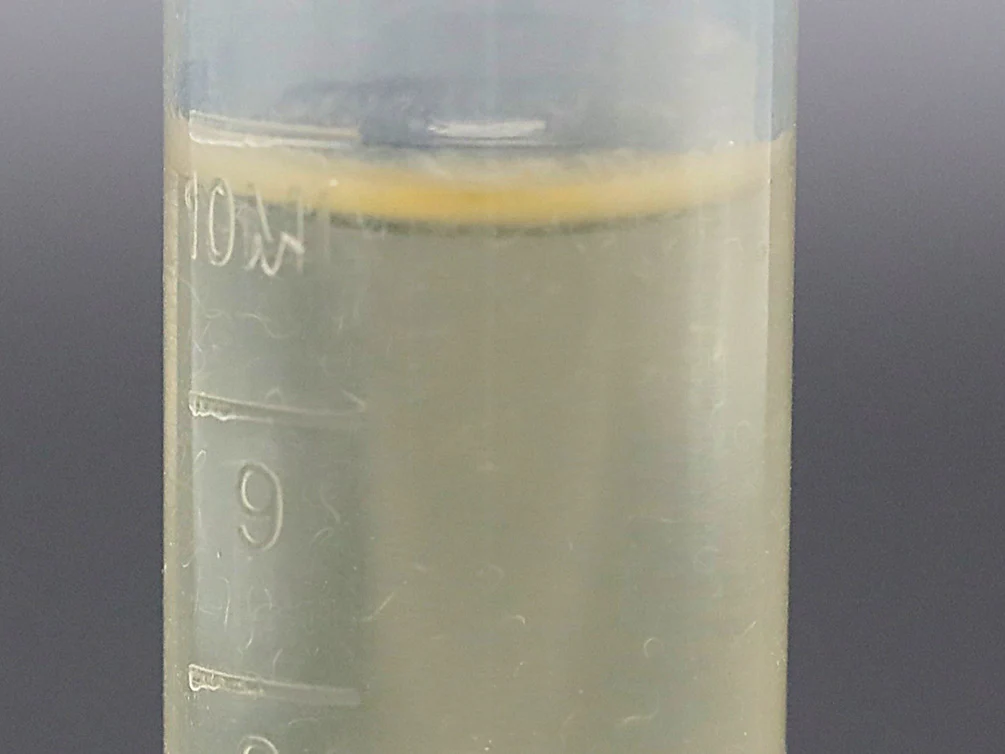
Vinegar eels are one of the most reliable and low-maintenance live foods available for feeding small fish and fry. This starter culture contains a thriving population of Turbatrix aceti, a microscopic nematode that lives in a vinegar-based solution and reproduces continuously with minimal upkeep.
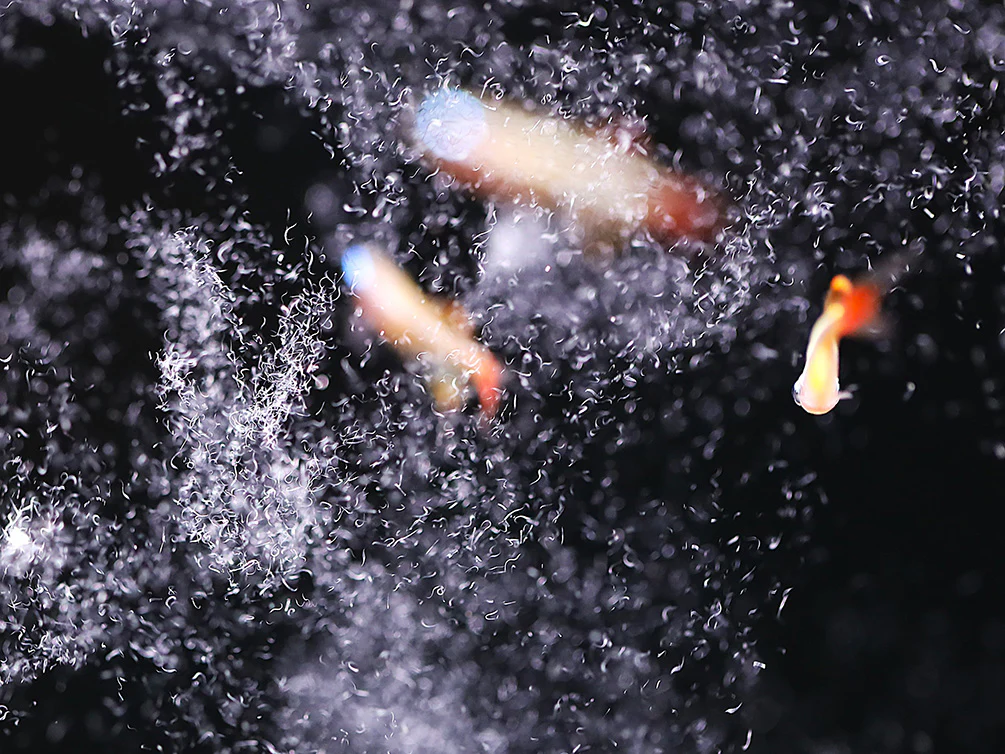
Because of their tiny size and constant movement in the water column, vinegar eels are an excellent first food for newly hatched fry, especially for species that are too small to accept baby brine shrimp. They remain suspended in the water longer than many other live foods, giving fry more time to feed naturally.
This culture is easy to maintain, long-lasting, and a dependable addition to any breeding setup.
What We Love About This Live Food
• Ideal for Fry: Perfect first food for newly hatched fish
• Stays Suspended: Remains in the water column longer than many live foods
• Low Maintenance: Simple culture that requires minimal care
• Continuous Production: Self-sustaining population with regular feeding
Care and Use Guide
• Difficulty: Very Easy
• Food Type: Microscopic live nematodes (Turbatrix aceti)
• Best For: Fry of small fish species
• Harvesting: Can be collected using filter floss, pipette, or culture methods
• Culture Medium: Vinegar-based solution with organic matter
How to Use
To feed, harvest a small amount of vinegar eels using a pipette or by straining through filter floss and rinsing with fresh water before adding to your aquarium. Feed small amounts regularly to ensure fry have constant access to food.
Culture Maintenance
Keep the culture at room temperature and avoid contamination. With occasional feeding and basic care, vinegar eel cultures can remain productive for extended periods. Splitting the culture periodically helps maintain long-term viability.
Product Information
Product Information
Shipping & Returns
Shipping & Returns
Vinegar Eels Starter Culture – Live Food
Vinegar Eels Starter Culture – Live Food
For the safety of our animals, we ship this fish exclusively via UPS 2nd Day Air. If your order contains this item, this will be the only shipping option available at checkout.
Vinegar eels are one of the most reliable and low-maintenance live foods available for feeding small fish and fry. This starter culture contains a thriving population of Turbatrix aceti, a microscopic nematode that lives in a vinegar-based solution and reproduces continuously with minimal upkeep.
Because of their tiny size and constant movement in the water column, vinegar eels are an excellent first food for newly hatched fry, especially for species that are too small to accept baby brine shrimp. They remain suspended in the water longer than many other live foods, giving fry more time to feed naturally.
This culture is easy to maintain, long-lasting, and a dependable addition to any breeding setup.
What We Love About This Live Food
• Ideal for Fry: Perfect first food for newly hatched fish
• Stays Suspended: Remains in the water column longer than many live foods
• Low Maintenance: Simple culture that requires minimal care
• Continuous Production: Self-sustaining population with regular feeding
Care and Use Guide
• Difficulty: Very Easy
• Food Type: Microscopic live nematodes (Turbatrix aceti)
• Best For: Fry of small fish species
• Harvesting: Can be collected using filter floss, pipette, or culture methods
• Culture Medium: Vinegar-based solution with organic matter
How to Use
To feed, harvest a small amount of vinegar eels using a pipette or by straining through filter floss and rinsing with fresh water before adding to your aquarium. Feed small amounts regularly to ensure fry have constant access to food.
Culture Maintenance
Keep the culture at room temperature and avoid contamination. With occasional feeding and basic care, vinegar eel cultures can remain productive for extended periods. Splitting the culture periodically helps maintain long-term viability.
Original: $12.99
-65%$12.99
$4.55Product Information
Product Information
Shipping & Returns
Shipping & Returns
Description
For the safety of our animals, we ship this fish exclusively via UPS 2nd Day Air. If your order contains this item, this will be the only shipping option available at checkout.
Vinegar eels are one of the most reliable and low-maintenance live foods available for feeding small fish and fry. This starter culture contains a thriving population of Turbatrix aceti, a microscopic nematode that lives in a vinegar-based solution and reproduces continuously with minimal upkeep.
Because of their tiny size and constant movement in the water column, vinegar eels are an excellent first food for newly hatched fry, especially for species that are too small to accept baby brine shrimp. They remain suspended in the water longer than many other live foods, giving fry more time to feed naturally.
This culture is easy to maintain, long-lasting, and a dependable addition to any breeding setup.
What We Love About This Live Food
• Ideal for Fry: Perfect first food for newly hatched fish
• Stays Suspended: Remains in the water column longer than many live foods
• Low Maintenance: Simple culture that requires minimal care
• Continuous Production: Self-sustaining population with regular feeding
Care and Use Guide
• Difficulty: Very Easy
• Food Type: Microscopic live nematodes (Turbatrix aceti)
• Best For: Fry of small fish species
• Harvesting: Can be collected using filter floss, pipette, or culture methods
• Culture Medium: Vinegar-based solution with organic matter
How to Use
To feed, harvest a small amount of vinegar eels using a pipette or by straining through filter floss and rinsing with fresh water before adding to your aquarium. Feed small amounts regularly to ensure fry have constant access to food.
Culture Maintenance
Keep the culture at room temperature and avoid contamination. With occasional feeding and basic care, vinegar eel cultures can remain productive for extended periods. Splitting the culture periodically helps maintain long-term viability.